
The historical evolution of casinos From ancient games to modern gambling hubs
The Origins of Gambling
The history of gambling can be traced back to ancient civilizations, where games of chance were often tied to religious and cultural practices. The earliest forms of gambling are believed to have emerged in China around 2300 BC, with rudimentary games involving dice and betting. These ancient games laid the foundation for what would evolve into organized gambling practices across the globe. Even today, you can find online casinos australia that reflect this longstanding tradition.
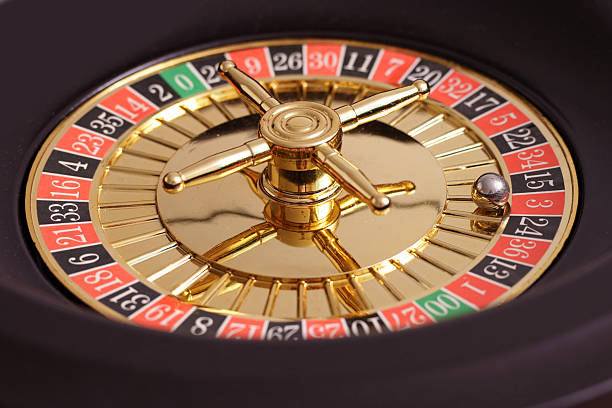
In addition to China, ancient Mesopotamia also had its share of gambling activities. Archeological findings suggest that people played games of chance using carved sticks and other rudimentary tools. These early instances of gambling served not just as entertainment but also as a way to settle disputes or predict future events, highlighting the significant role that luck and chance played in the ancient world.
The Rise of Formal Casinos
The concept of a formal casino emerged in the 17th century in Italy, specifically with the establishment of the first official casino, the Ridotto, in Venice. This venue allowed patrons to play games of chance in a dedicated environment, marking a significant evolution from informal betting in marketplaces or social gatherings. The popularity of such establishments quickly spread across Europe, influencing gambling cultures in countries like France and Spain.
As the idea of casinos evolved, they became more than just places to gamble; they transformed into luxurious entertainment hubs. The allure of these venues drew in the elite, combining gaming with dining and social activities. The opulence of casinos in cities like Monte Carlo and Paris became synonymous with high society, establishing a lifestyle that continues to attract visitors today.
The American Gambling Boom
The 19th century marked a pivotal point for gambling in the United States. The Gold Rush and westward expansion led to the establishment of gaming houses in frontier towns, catering to miners and travelers. However, it wasn’t until the early 20th century that organized gambling truly took off, with Nevada legalizing casinos in 1931, paving the way for Las Vegas to become the gambling capital of the world.
Las Vegas transformed the casino experience with its extravagant resorts, themed establishments, and a wide array of gaming options. This redefined the gambling landscape, making it more accessible and appealing to a broader audience. Over the years, Las Vegas has continued to innovate, integrating technology and entertainment into the gaming experience, solidifying its status as a modern gambling hub.
The Digital Revolution in Gambling
The advent of the internet in the late 20th century brought about a seismic shift in the gambling industry. Online casinos emerged, providing a platform for players to engage in gaming from the comfort of their own homes. This democratization of gambling enabled people from various backgrounds to participate, expanding the reach of the industry significantly.
Online gambling has transformed how players interact with casinos, offering a vast selection of games and betting options. The integration of mobile technology has further enhanced this experience, allowing for gambling on-the-go. However, this new landscape also necessitates discussions on responsible gaming, as the ease of access can lead to problematic gambling behaviors.

Ensuring a Safe Online Gambling Experience
In the age of digital gambling, ensuring a secure and responsible gaming environment is paramount. Many online casinos are now implementing features that promote responsible gaming, such as setting deposit limits, providing self-exclusion options, and offering resources for players seeking help. These initiatives aim to create a safer space for gamblers while maintaining the enjoyment of the gaming experience.
As online platforms continue to grow, it is crucial for players to understand the importance of responsible gaming practices. Educating oneself on the risks associated with gambling and recognizing the signs of problematic behavior can contribute to a healthier relationship with gaming. Awareness and proactive measures play a vital role in making gambling a fun and safe pastime for everyone.